
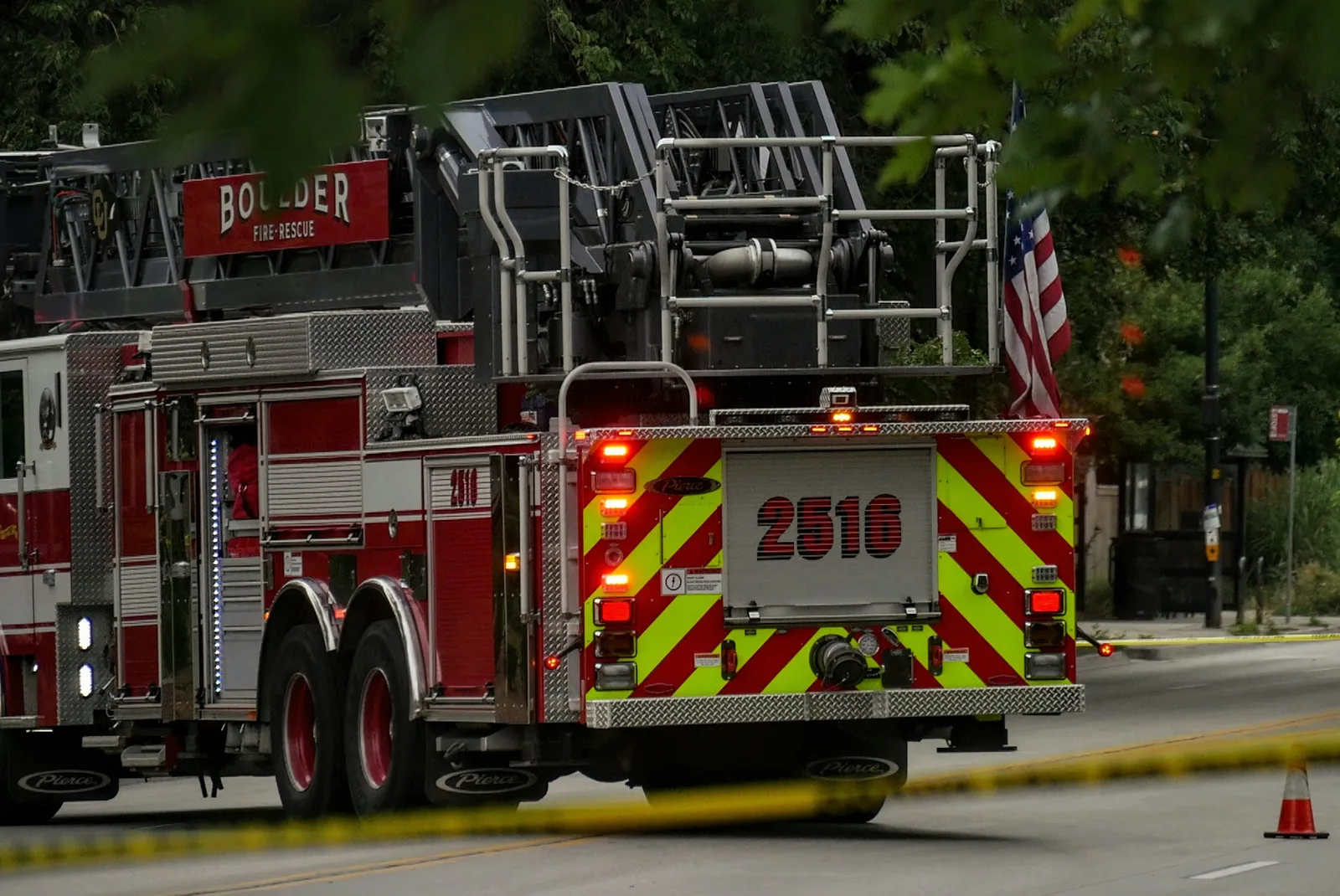
Ground ladders and fire hose are two of the most heavily used — and most heavily regulated — pieces of equipment on any apparatus. Both are governed by dedicated NFPA standards, both require annual service testing at minimum, and both are common points of failure during ISO reviews and accreditation audits, usually because records are scattered across binders, spreadsheets, and sticky notes instead of one system of record.
This checklist breaks down what NFPA 1932 (ground ladders) and NFPA 1962 (fire hose) actually require, so you can check your department's program against the standard — not against "how we've always done it."
Ground Ladder Testing: NFPA 1932
When ladders must be tested
- Before being placed in service for the first time
- At least annually
- Anytime a ladder is suspected of being unsafe
- After the ladder has been subjected to overloading or impact loading
- After exposure to high heat, or if the heat-sensor label has changed
- After any repair (except a halyard replacement alone)
Monthly and after-use inspection
Beyond the annual service test, NFPA 1932 calls for ground ladders to be inspected after every use and at least once a month, with the deeper annual inspection and test layered on top of that routine.
What the annual service test covers
A compliant ladder test typically includes three components:
- Physical inspection — a hands-on inspection covering the full ladder, from the heat sensor down to the butt spurs, checking rails, rungs, rung-to-rail attachment, and hardware.
- Bend test — a horizontal load test to confirm the ladder retains its shape within tolerance after loading.
- Hardware test — extension locks and roof hooks are load-tested, with the test load held for a minimum of one minute, checking for permanent deformation.
Recordkeeping
- Log the date and outcome of every inspection and test, per ladder
- Any out-of-service ladder must be tagged with the date and a description of the defect
- Track heat-sensor label status and replacement dates
- Keep records by individual ladder ID, not just by apparatus — ladders get moved between rigs
Compliance note: ISO's Fire Suppression Rating Schedule does not require ground ladder testing the way it requires aerial device testing under NFPA 1914 — but most departments test ground ladders annually anyway, both because NFPA 1932 calls for it and because ISO reviewers frequently request the records regardless.
Fire Hose Testing: NFPA 1962
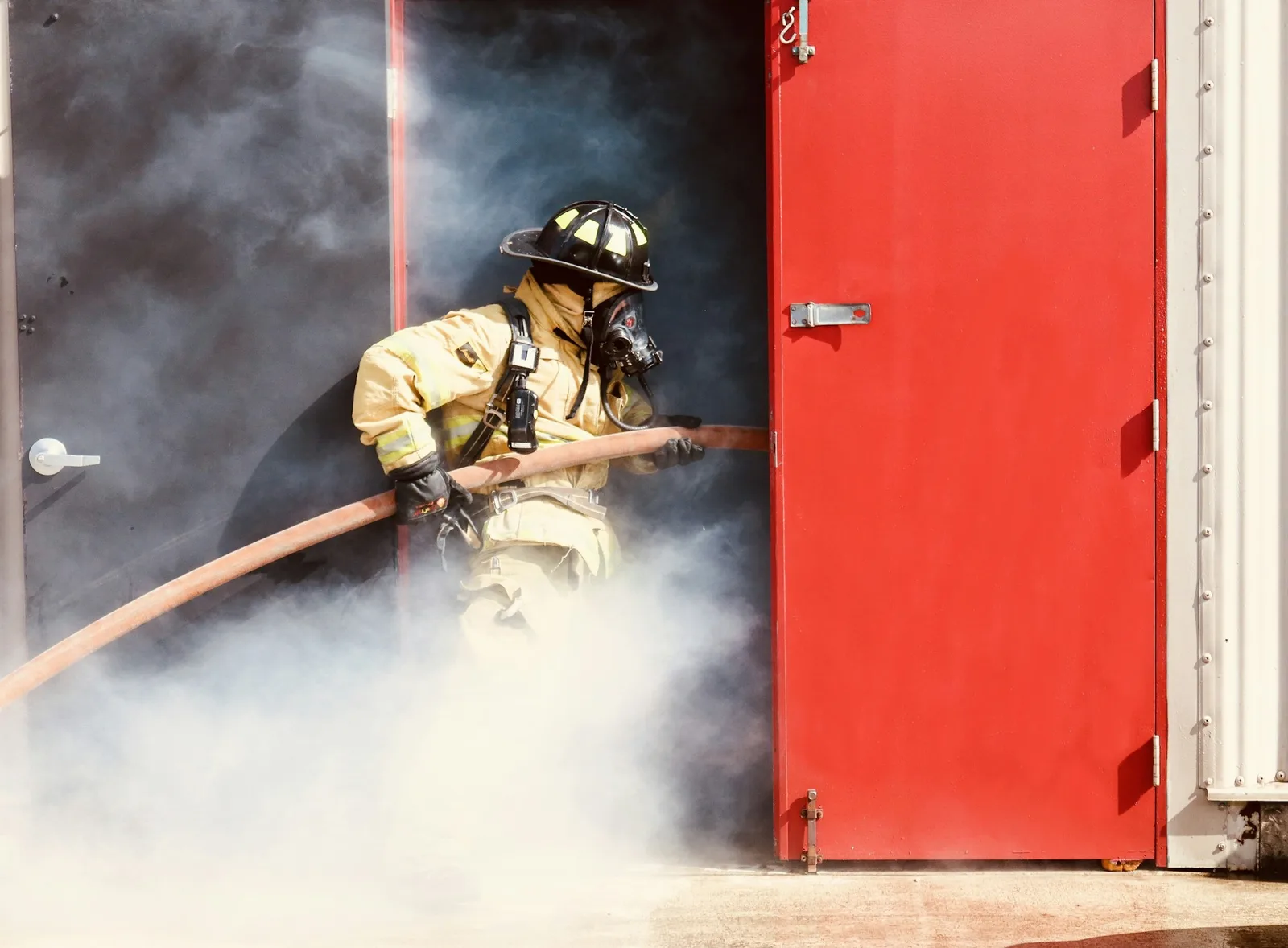
When hose must be tested
- The later of one year after the hose's date of manufacture, or before it's placed in service for the first time
- At least annually after that
- Whenever couplings are attached or reattached
- Before a repaired length is returned to service
Service test pressures by hose type
- Attack hose: service tested to a minimum of 300 psi, or the service test pressure marked on the hose, whichever is higher
- Supply hose: tested to a minimum of 200 psi
- Forestry hose: tested to a minimum of 300 psi
- Booster hose: tested to 110% of maximum working pressure
- Hard suction hose: dry-vacuum tested annually, often alongside the annual pump suction test
Testing procedure basics
- Pressure should be raised gradually — no more than 15 psi per second — until the service test pressure is reached
- Hold the pressure for a stabilization period of at least one minute per 100 feet of hose in the layout
- Inspect every coupling for leaks and slippage while at test pressure
- Pressure gauges used for testing must have been serviced within the past 12 months
- Any hose that bursts, leaks, or shows coupling slippage fails and must be tagged and removed from service
Recordkeeping
- Track each hose's manufacture date — hose made before July 1987 to older NFPA 1961 editions must be removed from service entirely
- Log test pressure, date, and pass/fail result by individual hose length, identified by its own ID or serial marking
- Track nozzle inspections separately — nozzles require inspection at least annually and after every use
- Maintain a documented hose replacement schedule based on age, use, and test history, since NFPA 1962 requires departments to establish one
Where Departments Get Caught Out
The standards themselves are not the hard part — most officers know the pressures and intervals cold. What actually causes audit findings and ISO point losses is almost always one of these:
- Records tied to the apparatus, not the asset. When a ladder or hose length moves between rigs, paper logs rarely move with it.
- No alerting before due dates lapse. Annual tests slip past their window because nothing flagged them 30 days out.
- Inconsistent tagging of failed equipment. A ladder or hose section gets pulled from service verbally, but the tag and the log never quite match.
- No single source of truth for an ISO reviewer. Digging through binders during a records request costs credibility even when the underlying compliance is fine.
Turn the annual scramble into a five-minute pull
A platform that ties every ladder, hose length, and nozzle to its own inspection history — with automatic due-date reminders and one-click reports — turns this from a once-a-year scramble into a five-minute pull. That's the gap PublicSafetyCheck was built to close: ladder testing, hose testing, and equipment readiness tracked in one place, so your next ISO review or accreditation audit is an export, not an excavation.
Book a Free Demo See Platform FeaturesAlways verify current requirements against the applicable NFPA 1932 and NFPA 1962 editions your department has adopted, and your state or local amendments — standards are revised periodically and some jurisdictions apply stricter local rules.